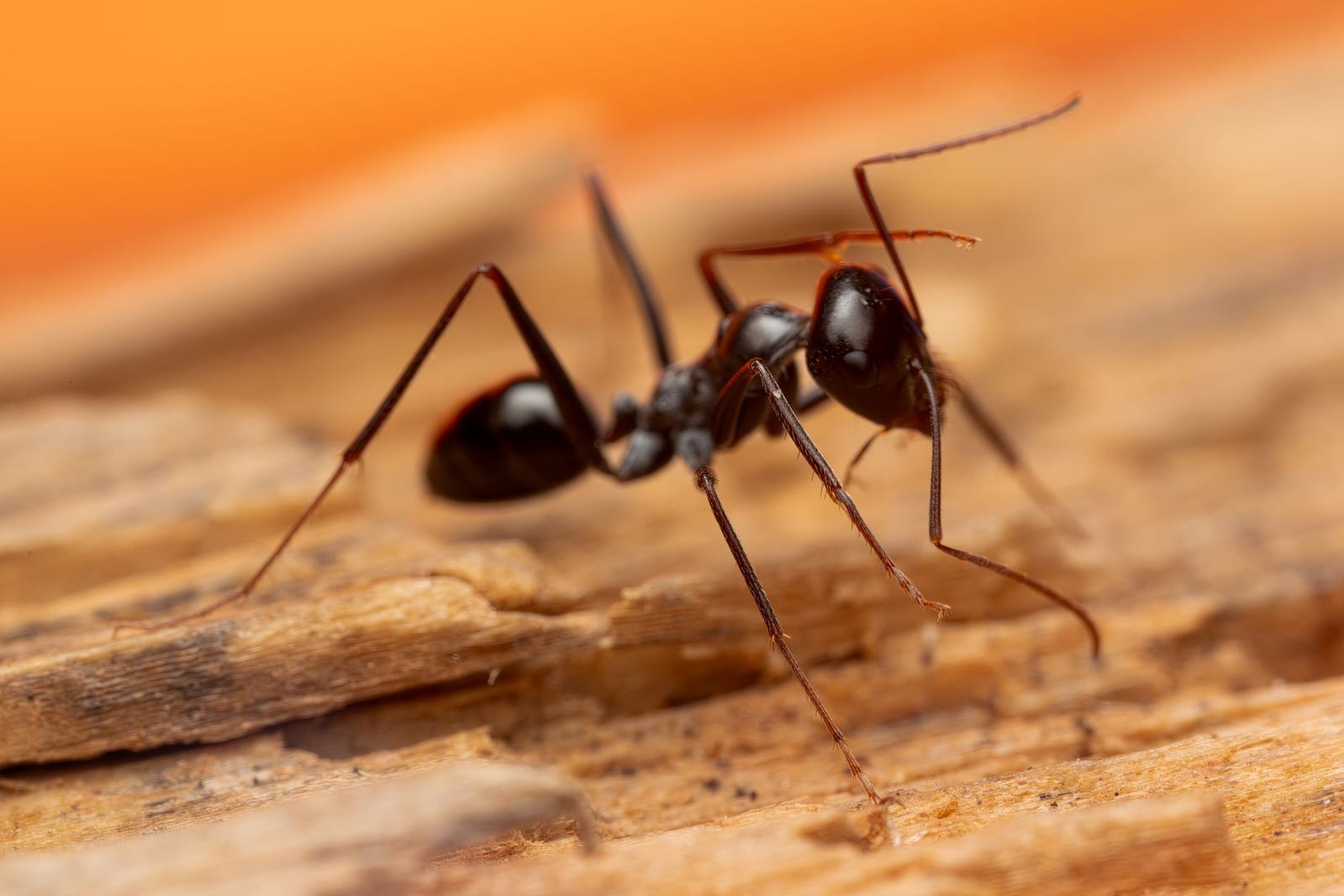
Ant control is among the most common pest issues we treat in Park Slope. Family-dense brownstone blocks and the restaurant corridors along Fifth and Seventh Avenues keep food-source pressure high year-round.
Ant control in Park Slope: what to know
Park Slope's signature brownstones and limestone row houses are beautiful and old — the same deep voids, shared walls and original plumbing that make them charming also make them prone to rodents, ants and cockroaches moving between floors and homes.
The neighbourhood's location on the edge of Prospect Park means added seasonal pressure from rodents, mosquitoes and ticks, and from outdoor ants foraging indoors in warm months.
Family-dense brownstone blocks and the restaurant corridors along Fifth and Seventh Avenues keep food-source pressure high year-round.
How much does carpenter ant & ant control cost in Park Slope?
$60–$500
National average: $150–$250 per visit (Angi). Typical single treatment: $80–$500 (small infestation). Bob Vila national range: $60–$215. Follow-up/retreatment visits: $40–$120.
US national figure — NYC typically runs higher.
Market range — not our quote
This is a market range synthesised from published cost guides — not a quote from this provider. The actual price depends on an in-person or photo-based inspection.
US national — NYC typically higher; no NYC-specific ant cost guide located, unlike bed bugs/rats/roaches.
What drives the price
- Infestation location (attic/basement/exterior walls cost more than kitchen/living space due to access difficulty)
- Severity
- Treatment method
- One-off vs follow-up retreatment
Signs you need ant control
- A visible foraging trail in the kitchen or bathroom, especially near water or food
- Ants appearing repeatedly at the same crack, outlet, or baseboard gap
- Winged ants indoors, which can signal an established colony nearby
- Trails tracing back to a shared wall in an apartment building, or a foundation/yard entry point in a detached home
How we treat ant control in Park Slope
Flatbush's housing stock ranges from large pre-war apartment buildings to the freestanding Victorian houses of Ditmas Park, and ant activity looks different in each. In apartment buildings, ants typically forage along a trail from a shared wall void or kitchen plumbing penetration toward a food source — the visible trail in your kitchen is rarely the whole colony.
In the older detached Ditmas Park houses, ants are more likely entering from an exterior gap, a yard, or foundation crack, since these homes have their own perimeter and grounds rather than shared building infrastructure.
Local landmarks & coverage
We serve all of Park Slope and the surrounding Brooklyn area — including Prospect Park, Fifth Avenue, Seventh Avenue, Grand Army Plaza — across ZIP codes 11215, 11217, 11218.